
A family making history.
The Historic Stone Home serves as a vital link between Savannah's rich historical past and the ongoing legacy of empowerment and achievement. Spanning centuries, the property's story is deeply rooted in the transformation of Georgia's social and economic landscape, from its origins as part of the Placentia Plantation to its emergence as a symbol of resilience and progress. Owned and cultivated by remarkable individuals, including influential leaders, the property reflects the enduring contributions of the Stone family and their ancestors to education, agriculture, and community development. Once part of the Placentia Plantation, a prominent rice plantation in Savannah’s early colonial period, the property’s historical trajectory reflects the social and economic changes throughout the history of the coastal corridor. After the lifting of Savannah’s ban on slavery, the plantation was owned by notable colonial figures, including a former Savannah mayor. By the mid-19th century the plantation was subdivided into twelve lots known as the Placentia Tract, with Lot Nine becoming the foundation of the Historic Stone Home. Notably, the lot’s ownership transitioned to women at a time when property ownership by women was rare, highlighting its unique historical importance. In the late 19th and early 20th centuries the tract underwent further subdivision, with a 7-acre portion being purchased by an influential business man who significantly impacted Georgia’s Black youth. By the 20th century, Percy H. Stone Sr., pioneering Extension Agent and the first African American State Leader of Georgia’s 4-H Club, acquired the property and began employing it to serve his community.
The property’s history is deeply intertwined with legacies of Savannah’s African American prosperity. Genealogical research reveals that ancestors of those enslaved on Placentia Plantation now own the land, honoring a dynamic past rooted in strength, health, and family. The property became a center for education, agricultural development, community gathering, and enrichment, aligning with the mission of it’s owners to empower the local community through wellness and self-sufficiency.
Today, the Historic Stone Home stands as a testament to the contributions of Percy H. and Harriet P. Stone, reflecting a rich history of transformation. The legacy of the Stone family is celebrated not only through historical preservation but also through ongoing efforts to educate and inspire future generations.
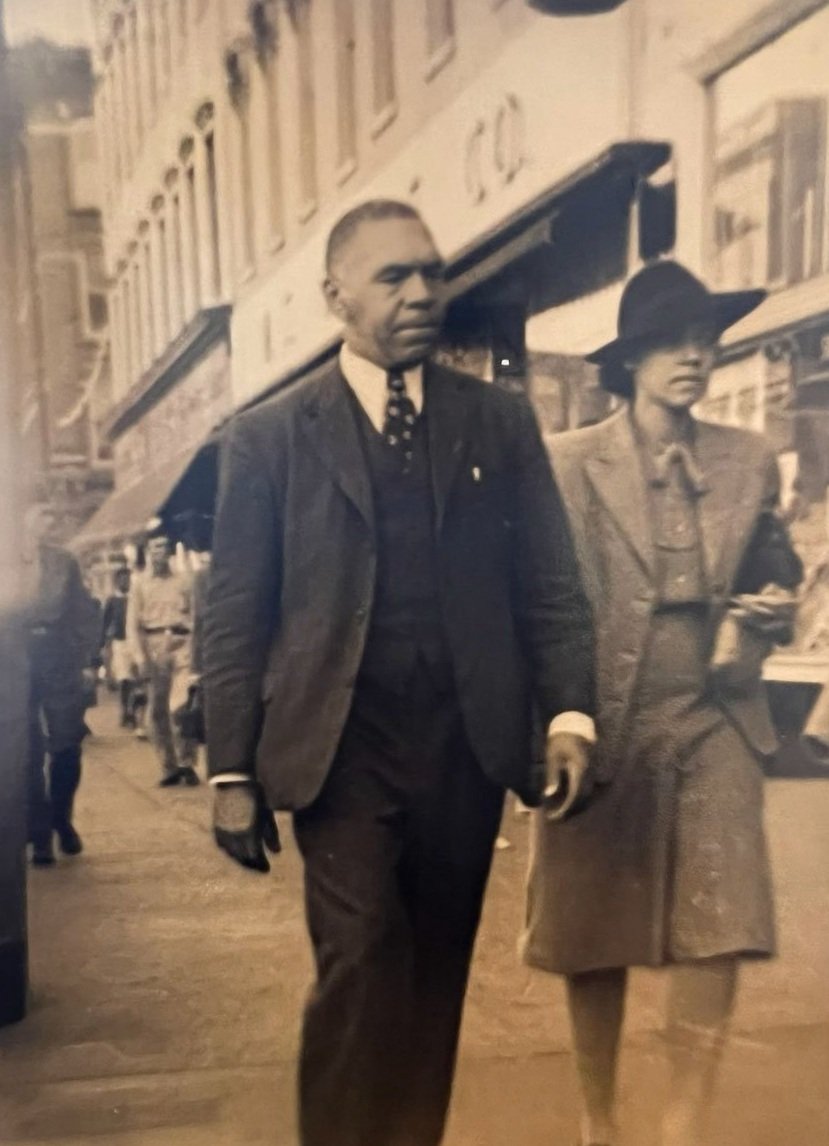
Percy H. Stone Sr. was born in 1893 in Rocky Mount, Virginia, and raised with a deep understanding of the importance of land ownership. He attended the Hampton Institute and later the University of Connecticut, focusing on agriculture. Stone’s career included pivotal roles with the Cooperative Extension Services, where he enhanced farming practices and sanitary conditions for rural communities. In the 1940's, Percy H. Stone renovated the Historic Stone Home to accommodate his growing family. His tenure as the state leader of the Negro 4-H Club brought lasting changes, including the establishment of a centrally located summer camp for Black youth, culminating in the opening of the Dublin 4-H Center in 1957. Stone retired in 1959 but remained active in community development and mentoring. Stone’s efforts earned national recognition, and his legacy was immortalized with his induction into the National 4-H Hall of Fame in 2022. He was a deacon at Second African Baptist Church and a respected leader in Savannah. Percy Stone's wife, Harriet Peeler Stone made significant contributions to early childhood education and research. Her work in nutrition and her role pioneering Savannah’s Head Start program underscore her commitment to community advancement. Harriet and Percy raised their family at the Historic Stone Home and provided shelter and mentorship for numerous Savannah State College students. Harriet, born in 1910 has familial ties to John McQueen's Placentia Plantation, linking the family’s modern achievements to their ancestral history. She was a researcher, preservationist, and archivist. Harriet worked with notable figures like Savannah's NAACP leader W. W. Law and her uncle Monroe Nathan Work. Harriet’s own achievements in academia and her leadership in Savannah’s educational initiatives reflect the legacies of the both the Peeler's and the Work's.

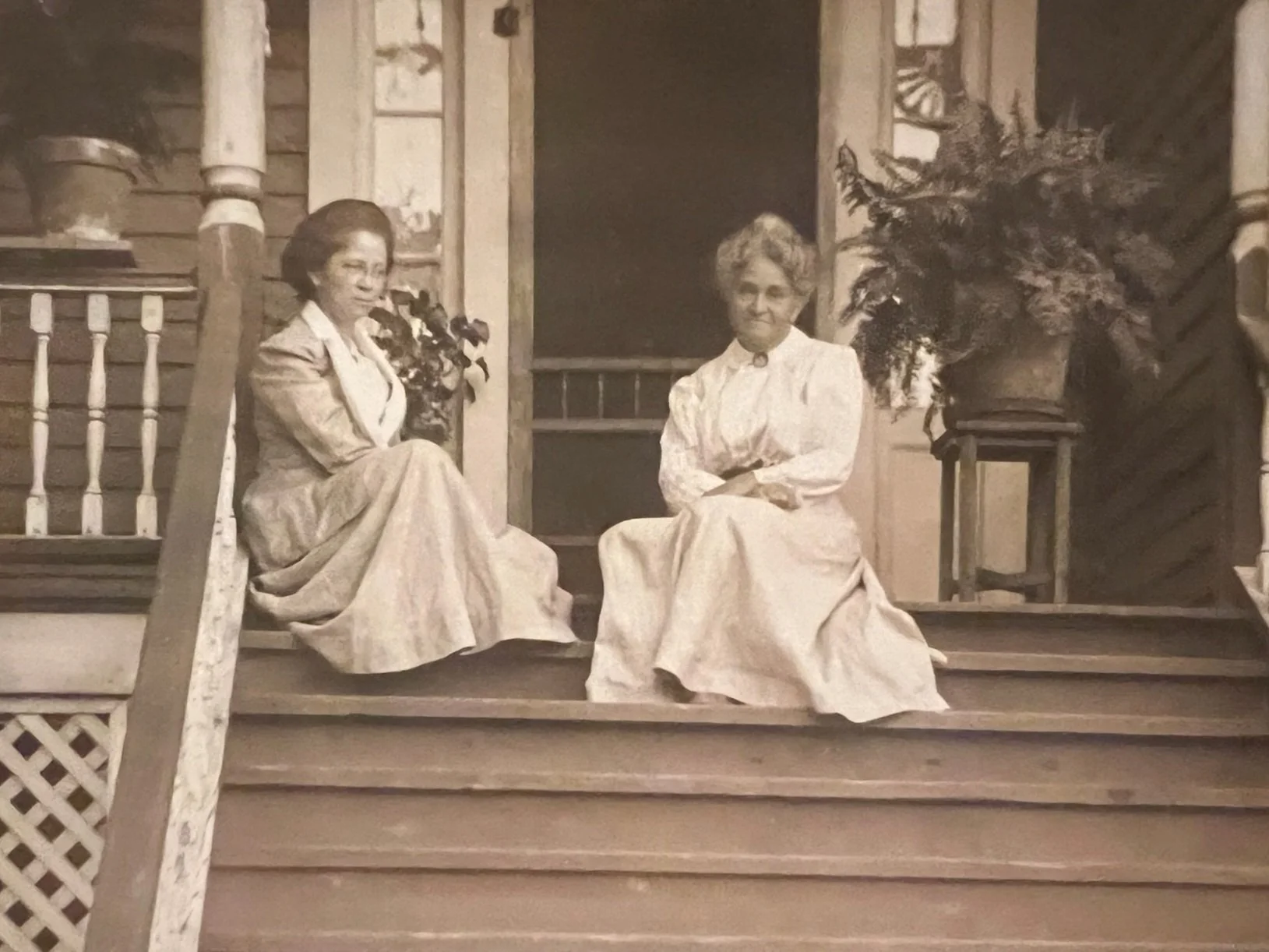
Silas Peeler, Harriet’s father, was an educator and theologian deeply involved in community service. His presidency at Bennett College showcased his dedication to advancing educational opportunities for African Americans. This image captured in 1910 features Peeler who often collaborated with Booker T. Washington and others in higher education. Rev. Silas Peeler was a Bennett Graduate, and as President added a course in agriculture. He converted the center of the campus into a farm where students grew crops including turnips and corn. Silas Peeler’s influence extended to his children, instilling in them a commitment to education and economic advancement.

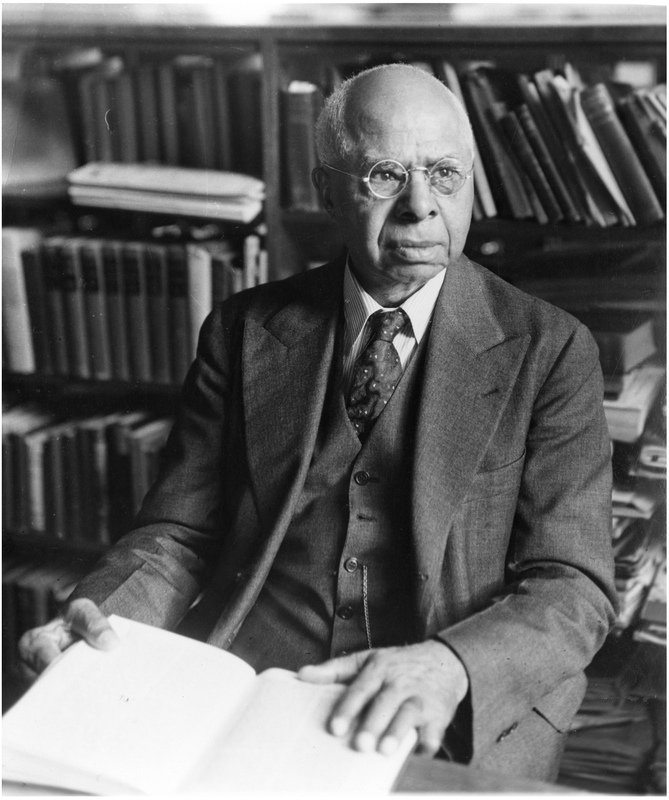
Monroe Nathan Work, born in 1866, was a visionary sociologist and researcher. While working at what is now Savannah State University, Booker T. Washington requested Monroe Work assist in expanding the Tuskegee mission. Monroe surpassed this directive, founding the Department of Records and Research at Tuskegee Institute, where he published the "Negro Year Book" and the monumental "A Bibliography of the Negro in Africa and America". Work’s efforts in documenting African American achievement were groundbreaking and remain influential to this day. His portrait resides in the Smithsonian’s "Portraits of Outstanding Americans of Negro Origin."
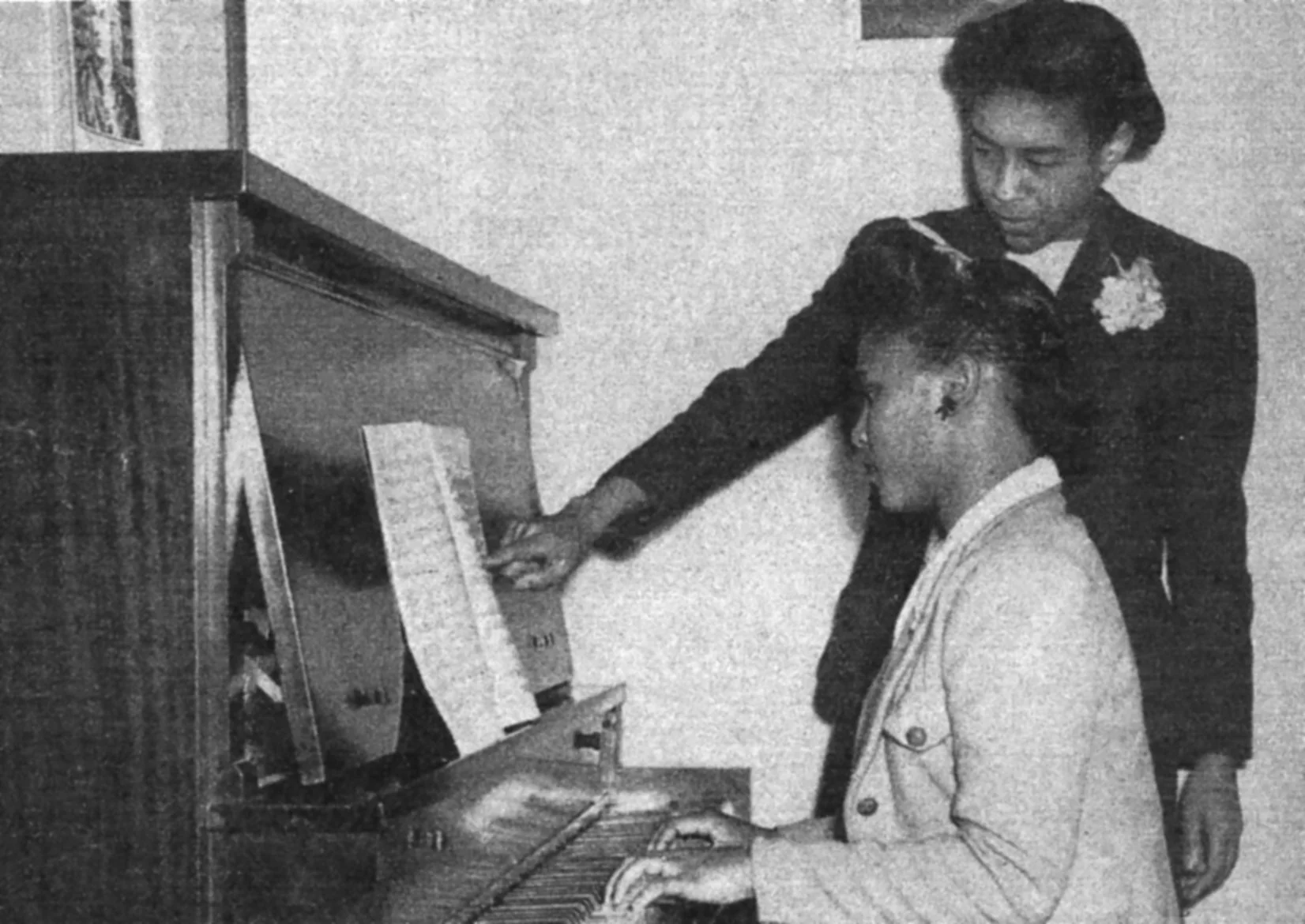
Alma Stone Williams, Percy’s daughter, was the first African American student to integrate a college in the South. A Spelman College valedictorian and Black Mountain College graduate, Alma Stone William's academic and musical achievements have inspired generations. Here is young Alma, teaching piano in the Historic Stone Home. Her contributions to Savannah’s educational and cultural landscape are profound, from establishing music and mentorship programs at Savannah State University to co-founding SONATA, a music education initiative for underprivileged children.